
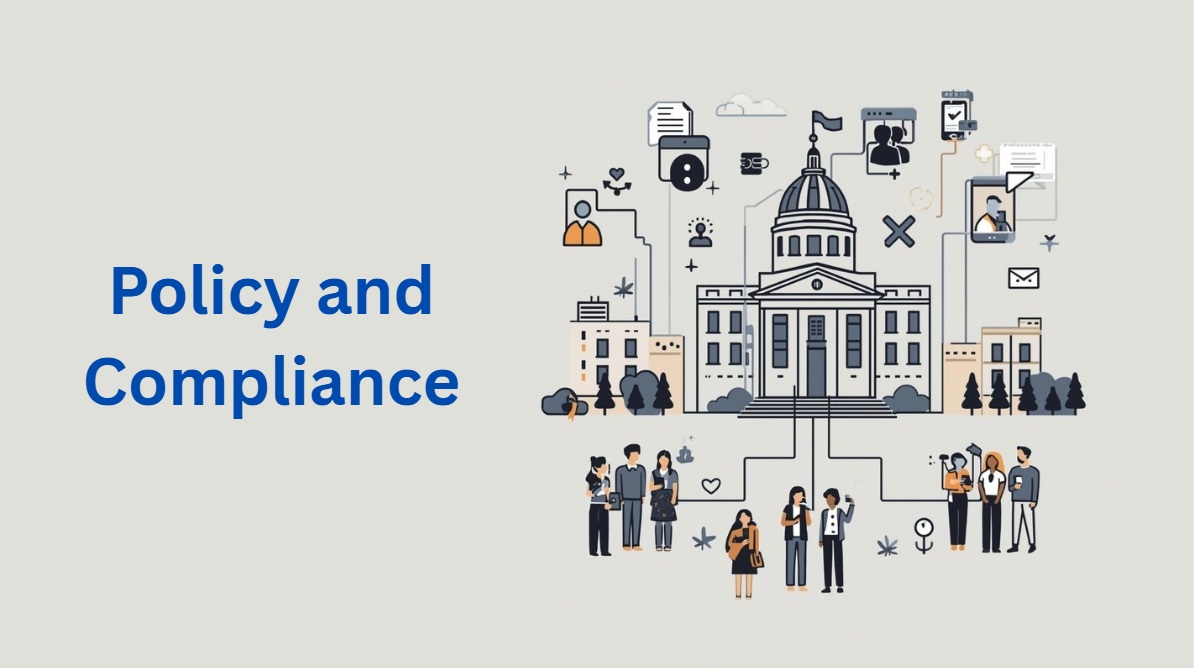
Policy & Compliance: City Digital Access Compliance
A public‑sector‑ready directory that meets modern standards for privacy, accessibility, and governance
Cities and government agencies require digital tools that meet strict standards for privacy, accessibility, and governance. Find My SphereCard supports city digital access compliance by aligning with modern public‑sector expectations for trust, transparency, and equitable participation. SphereCard serves as the portable access format that supports each listing.
Privacy & Governance Standards for City Access Systems
Find My SphereCard follows established digital‑access and data‑governance principles, enabling cities to maintain responsible practices while giving residents control over their information.
The directory supports:
transparent data usage
user‑controlled, shareable access profiles
secure, encrypted communication
clear governance frameworks for public accountability
Together, these standards help cities meet compliance obligations while protecting residents and professionals.
Authoritative outbound links: W3C Web Accessibility Initiative – https://www.w3.org/WAI/ NIST Digital Identity Guidelines – https://pages.nist.gov/800-63-3/
Accessibility Requirements for Public‑Sector Digital Access
Find My SphereCard is built with inclusive access in mind. The directory helps cities meet accessibility requirements through:
mobile‑first design for residents with limited devices
screen‑reader compatibility
high‑contrast visual modes
simple, universal navigation patterns
As a result, every resident can participate in the digital economy, regardless of device or ability.
Equity, Inclusion & Shareable Access
Many professionals, job seekers, and micro‑entrepreneurs lack a credible digital presence. A listing in Find My SphereCard gives underserved groups a shareable access point that improves visibility and trust.
Access is not restricted by:
income
background
technical skill
prior visibility on commercial platforms
As a result, cities can support workforce development, economic mobility, and inclusive growth.
Trust Framework for City Digital Access Compliance
Find My SphereCard includes built‑in trust and governance features that help cities maintain professional standards and strengthen public confidence.
The directory provides:
verified access elements
public trust signals
a structured dispute‑resolution framework
clear expectations for professional conduct
These components reinforce trust between residents, local businesses, and government agencies.